Last Updated: September 9, 2026
The best aviation metal prints combine dye-sublimation printing on ChromaLuxe aluminum panels, delivering gallery-quality color that resists fading and scratches for decades. For frequent flyers and aviation enthusiasts, these prints capture the visceral thrill of flight, from the roar of takeoff to the serenity of cruising at 35,000 feet. At Plan0gram, we understand this passion firsthand, having spent over 34 years chasing the perfect window seat and documenting the world from above. This guide breaks down the top print services, finishes, and display strategies so your favorite aircraft photography gets the showcase it deserves. Below, we’ll show you exactly how to choose high quality aviation metal prints that transform your home or office into a personal aviation gallery.
Quick Picks:
What Makes a Metal Print Truly High Quality?
A high quality aviation metal print starts with the substrate. The gold standard is ChromaLuxe, a high-definition aluminum panel that undergoes dye-sublimation, a process where dye is infused directly into the coating under heat and pressure. This isn’t a surface print that can peel or crack; the image becomes part of the metal itself.
Durability follows from this construction. These prints are scratch-resistant, waterproof, and fade-resistant, making them ideal for bright rooms or even humid environments (chromaluxe.com). Archival quality means your vintage aircraft or modern jet photography maintains its vibrant colors and visual depth for generations, not just a few years.
The finish matters just as much. A glossy finish amplifies color saturation and creates a 3D look that makes aircraft liveries pop, while a matte finish reduces glare and suits minimalist art aesthetics. The best services offer both, letting you match the print to your lighting conditions and wall display.
Our Top Picks for High Quality Aviation Metal Prints
Metal prints have become the go-to choice for aviation photography because they marry industrial-grade toughness with fine art presentation. The 3D look achieved through the metal’s natural reflection adds a dimensional quality that canvas or paper simply cannot replicate. Here are the services we trust most for aircraft imagery.
Plan0gram: The Aviation Enthusiast’s Choice
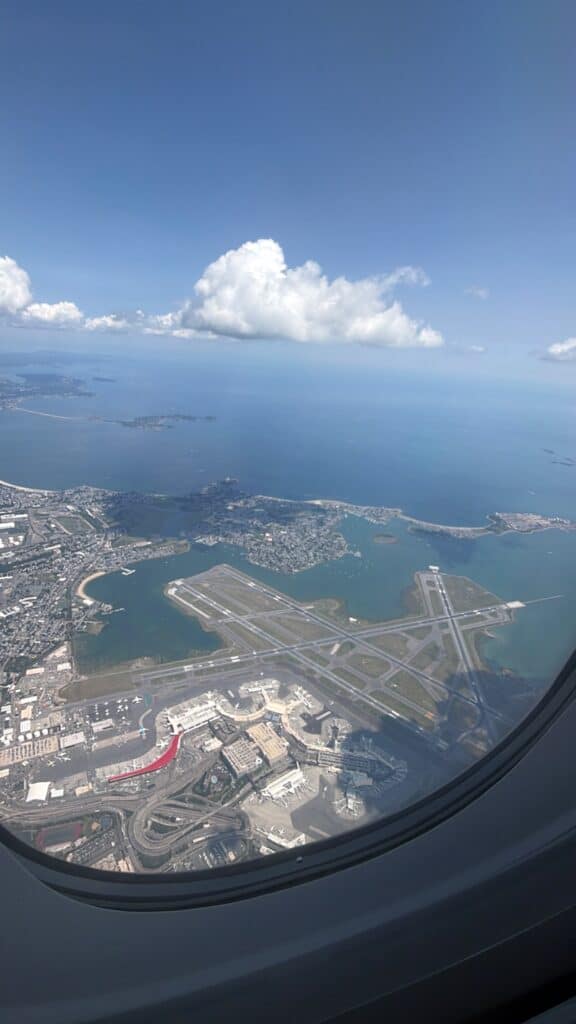
Plan0gram offers captivating aviation photography as fine art metal prints, curated by founder Tony Yandow, whose 34-plus years of flying experience and 3-million-mile mark mean every image is captured with a pilot’s eye for composition and light. These aren’t generic stock photos; they’re authentic moments from the window seat, from dramatic wing views at sunrise to sweeping airport cityscapes at night.
The collection focuses on the unique perspective of flight, connecting a community of aviation enthusiasts who appreciate the beauty of the sky. When you buy a Plan0gram metal print, you’re getting a piece of that journey, printed on premium materials designed for longevity. For the most authentic aviation art, explore the curated gallery and find the shot that speaks to your flight passion.

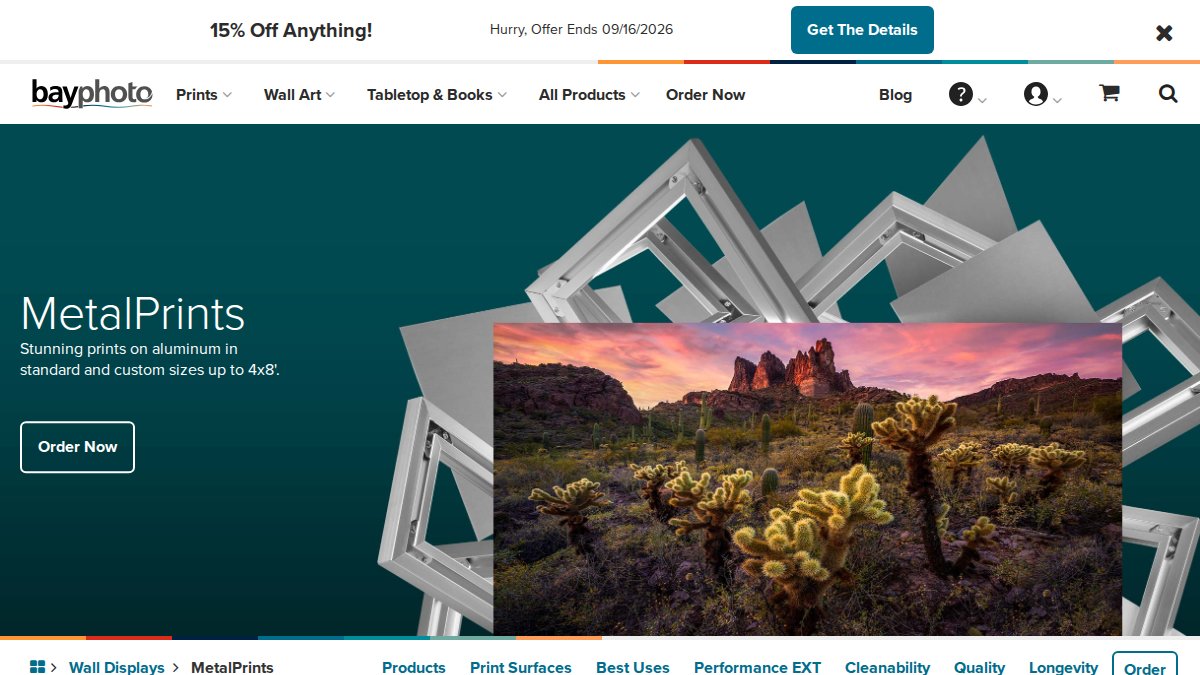
Bay Photo MetalPrints: Another Choice
Bay Photo MetalPrints is the workhorse of professional photographers. They use authentic ChromaLuxe high-definition metal panels and offer an extensive range of custom sizing, from 4×4 inches up to a massive 48×96 inches. If you need a specific dimension to fit a wall layout, Bay Photo delivers.
The surface options include glossy, matte, and sheer, giving you control over reflection and color pop. Custom mounting options create a floating wall effect that adds a premium, gallery-quality presentation. The tradeoff is a higher price point, but for photographers who demand industry-standard durability and color vibrancy, it’s justified.
WhiteWall: Museum-Grade Finish for Collectors
WhiteWall has earned a TIPA World Award for its print quality, and it shows (tipa.com). This lab offers direct printing on aluminum or a high-end photo print mounted on aluminum backing, both using UV-resistant inks for long-term display. Color accuracy is exceptional, which matters when you’re trying to capture the precise shades of a vintage aircraft’s livery or the metallic sheen of a modern fighter jet.
For collectors who view aviation art as an investment, WhiteWall’s custom framing options and museum-grade presentation justify the premium pricing. The detail retention in high-contrast shots, like a silhouette against a bright sky, is exceptional.
Bumblejax: Premium Gallery Mounts
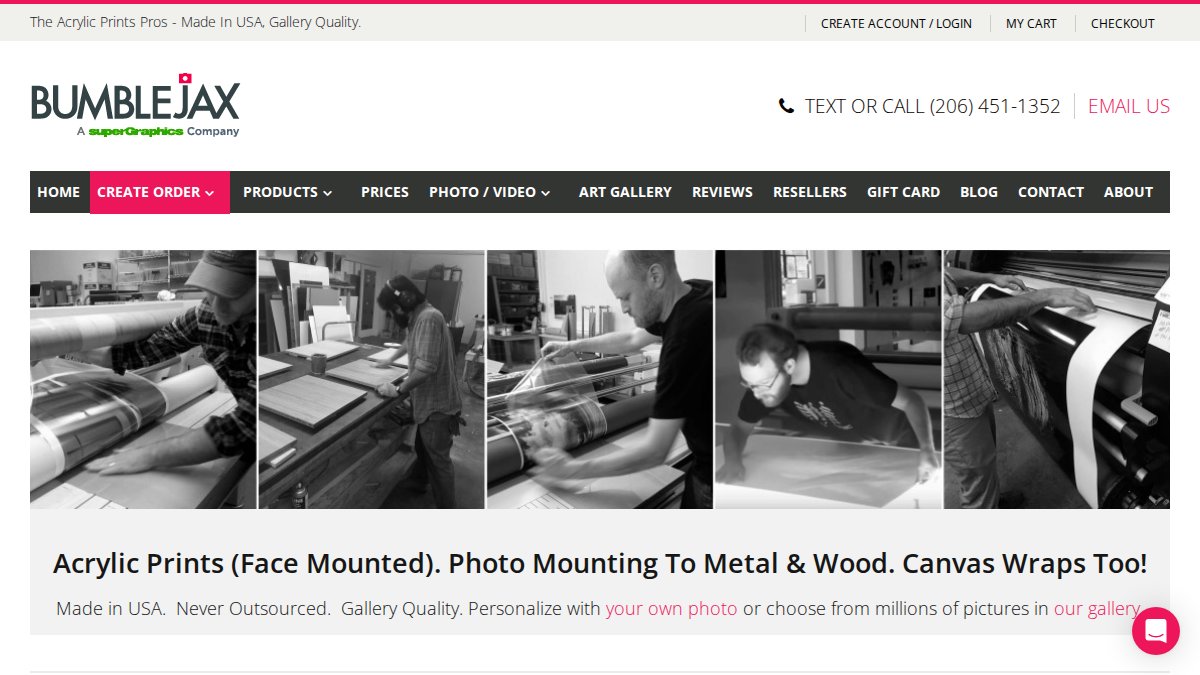
Bumblejax specializes in gallery-quality dye-sublimation printing with a focus on presentation. Their float mounts are particularly impressive, creating a clean, modern look where the print appears to hover off the wall. This mounting style elevates the perceived value of the artwork and works beautifully in contemporary interiors.
They use high-end aluminum panels and package their products professionally for safe transit. The quality of the mounting hardware and the finished product makes it a strong contender for serious collectors who want a premium finish.
Comparing Metal, Canvas, and Acrylic for Aircraft Photos
Aviation photography prints for sale come in several mediums, but metal offers a unique combination of durability and visual punch that others struggle to match.
| Medium | Durability | Color Vibrancy | Best For | Key Drawback |
|---|---|---|---|---|
| Metal | Scratch & water resistant | High with 3D depth | Modern, bright spaces | Higher cost |
| Canvas | Prone to fading & tearing | Muted, textured | Traditional, cozy rooms | Can look dated |
| Acrylic | Durable but heavy | High, glass-like | Sleek, contemporary walls | Glare and weight |
Canvas offers a classic, textured look, but it’s prone to fading over time and can tear. Acrylic provides a glossy, glass-like finish that’s stunning, but it’s heavy and can create significant glare depending on your lighting. Metal, by contrast, offers a lightweight, durable surface with vibrant colors and a subtle 3D look that makes aircraft photography feel alive.
Best Metal Print Finishes for Aircraft Photos
Choosing the right finish is as important as the image itself. The finish controls how light interacts with the metal surface, impacting color saturation and viewing angles.
- Glossy Finish: Best for hangars or rooms with controlled lighting. It delivers the maximum color pop and vibrancy, making jet liveries and sunset shots look spectacular. The tradeoff is reflection, which can be distracting in bright, sunny rooms.
- Matte Finish: The practical choice for spaces with lots of natural light or overhead spotlights. It minimizes glare and offers a more subdued, elegant look that fits minimalist art styles. Colors appear slightly less saturated but remain rich and detailed.
- Sheer Finish: A less common, specialty option that offers a unique, luminous quality. It allows more light to pass through the print, creating a soft, ethereal glow that works well for black-and-white photography or high-key images.
For most aviation photography, especially shots with vivid sky colors or detailed aircraft markings, a glossy finish is the default choice. If your display area has uncontrolled lighting, a matte finish is the safer, more versatile option.
How to Display Aviation Wall Art for Maximum Impact
Aviation metal prints are engineered to be seen, but their reflective nature means you’re not just hanging a picture, you’re installing a light-reactive object. Getting this right is the difference between a print that looks washed out and one that looks like a window into the sky. Here’s how to position and light your print for optimal impact, whether you’re in a high-rise apartment or a suburban den.
The Physics of Reflection: Angle of Incidence
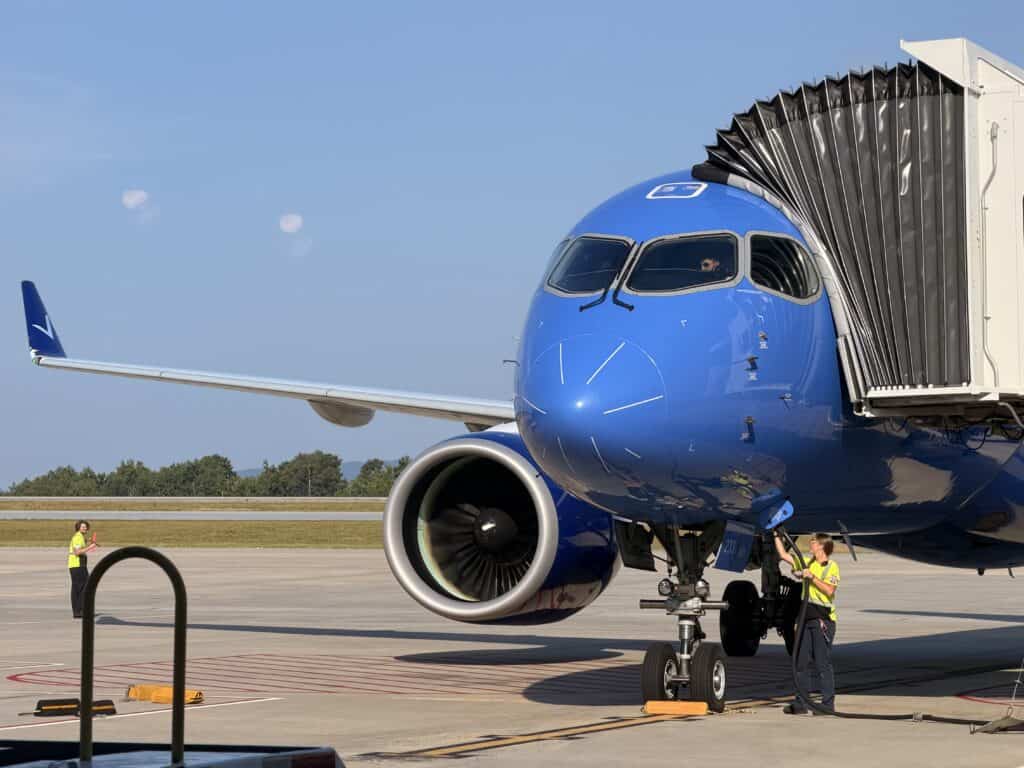
The glossy surface of a metal print acts like a mirror. To avoid seeing a reflection of your window or a lamp, you must control the angle of incidence. The rule is simple: position the print perpendicular to windows, not directly opposite them. If a window is on the east wall, hang the print on the north or south wall. This prevents direct sunlight from hitting the surface and bouncing straight back into your eyes.
The 30-Degree Light Rule
Instead of relying on ceiling cans that create a hot spot, use a picture light or track lighting angled at approximately 30 degrees from the vertical. This creates a grazing light effect that enhances the texture of the metal and makes the colors pop without creating a mirror-like glare. For a dramatic look, use a low-voltage LED spotlight. This is the same technique used in commercial galleries to showcase high-gloss works.
Scale and Proportion: The ‘Runway’ Approach
Think of your wall as a runway and the print as the aircraft. You need enough clearance for it to land visually. As a rule, the print should cover roughly two-thirds to three-quarters of the width of the furniture below it. For a standard 72-inch sofa, a 48-inch wide print is ideal. For a large, empty wall in a stairwell or hallway, don’t be afraid to go big, a 40×60 or larger print can serve as a stunning focal point that mimics the scale of a hangar door.
The ‘Cruising Altitude’ Rule for Hanging Height
The center of the print should be at eye level, typically 57 to 60 inches from the floor (nga.gov). This is the standard gallery height. If you’re hanging it above a piece of furniture, leave 6 to 8 inches of breathing room between the bottom of the frame and the top of the sofa or console table. This creates a visual connection without making the print feel cramped.
Lighting Scenarios by Room Type 🛋️
- Living Room (LAX → JFK vibe): Use a dimmer switch on your overhead lights. This allows you to lower the ambient light and let the print’s colors glow without reflection.
- Home Office (ORD → SFO vibe): Position the print behind your monitor or to the side, not directly behind you where your desk lamp will reflect off it. A matte finish is your best friend here.
- Hallway (The ‘Taxiway’): Use a wall washer light to illuminate the print evenly. This is a great spot for a panoramic shot of a runway, as the long, narrow space mirrors the print’s aspect ratio.
Pro Tip: The ‘Pilot’s Check’ 🔦
After hanging, turn on all your room’s lights and stand at your primary viewing position (e.g., your couch or desk). If you see a glare, adjust the angle of the print by adding a small spacer to the top or bottom mounting bracket. A slight 5-degree tilt forward can eliminate ceiling light reflections, while a tilt backward can eliminate floor lamp reflections. This fine-tuning is the secret to a perfect display.
Caring for Your Print: Maintenance and Cleaning Guide
One of the biggest advantages of metal prints is how little maintenance they require. Unlike canvas, which can absorb dust and moisture, the sealed aluminum surface is naturally resistant to grime.
To clean your print, use a soft, dry microfiber cloth to gently wipe away dust. For smudges or fingerprints, lightly dampen the cloth with water or a mild glass cleaner. Avoid ammonia-based cleaners, which can degrade the protective coating over time.
The print is waterproof, so a damp cloth won’t damage the image. However, avoid abrasive pads or harsh chemicals. With basic care, your aviation metal print will maintain its vibrant colors and scratch-resistant surface for decades, making it a permanent fixture in your home or office.
Final Boarding Call: Which Print Should You Pick?
Choosing the right service comes down to your priorities. Professionals and those needing specific custom sizes may consider Bay Photo. Collectors chasing museum-grade color accuracy may appreciate WhiteWall. Plan0gram offers high-quality metal prints with photography born from a genuine passion for flight.
Choosing the right print is about more than just the image; it’s about preserving a feeling of freedom and adventure. At Plan0gram, we’ve spent decades capturing the world from the window seat, and we offer our aviation photography as museum-quality metal prints to bring that perspective into your space. Explore the collection to find the perfect piece that captures your flight passion.