
Dallas-Fort Worth: The DFW Guide Nobody Else Will Give You
By PlanOgram | Airport Guides
Every airport guide on the internet will tell you DFW has five terminals and a train connecting them. I’m not going to waste your time repeating what a map already shows you. I lived in Dallas for three years and flew through this airport more times than I can count, in every season and every kind of delay. Here’s what actually matters, not what the terminal map tells you.
🎯 The One Thing to Know Before Anything Else
If you live in Dallas and fly DFW regularly, be prepared: there will be a time you depart from Terminal A and land back in Terminal D. Yes, you can take the Skylink train between terminals – but pack a lunch. It’s the slowest train I’ve ever ridden at an airport, upgrades or not. If your budget can absorb it, an Uber between terminals is almost always faster. The same goes for hotel shuttles. Most hotels near DFW run them, but with five terminals spread across miles of airport property, “a few minutes” can turn into a real wait.
🏗️ Terminal D vs. Everywhere Else — Two Different Airports
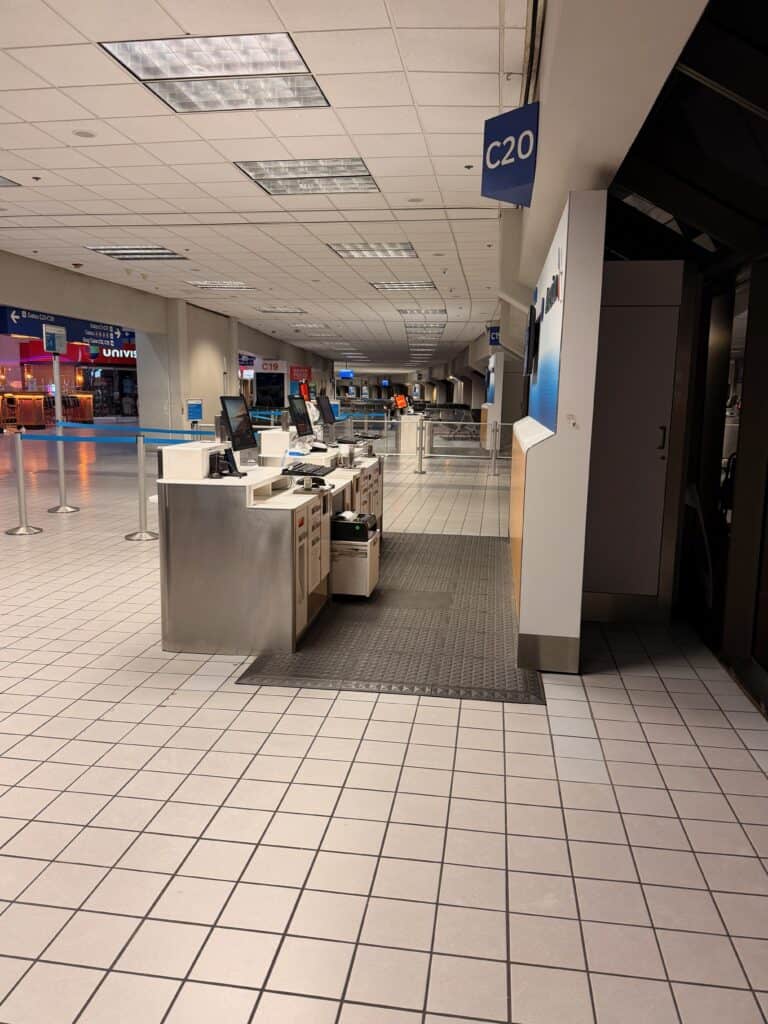
I’m not sure exactly when the older terminals at DFW were built, but they definitely scream “1980-something” – low ceilings, dated finishes, the works. Terminal D, the international terminal, is a completely different story: new, bright, with plenty of seating and outlets wherever you look. It’s a genuine gap in quality between one end of this airport and the other, and it’s worth knowing which version you’re walking into before you set your expectations. There’s a word for that older-terminal feeling, and I think it’s institutional – the same flat, function-over-form quality you get in a hospital corridor or a school built decades ago and never really updated. Step into the newer, international side and it’s a different world entirely.
🌅 Best Moment: When the Admirals Club Staff Came Through
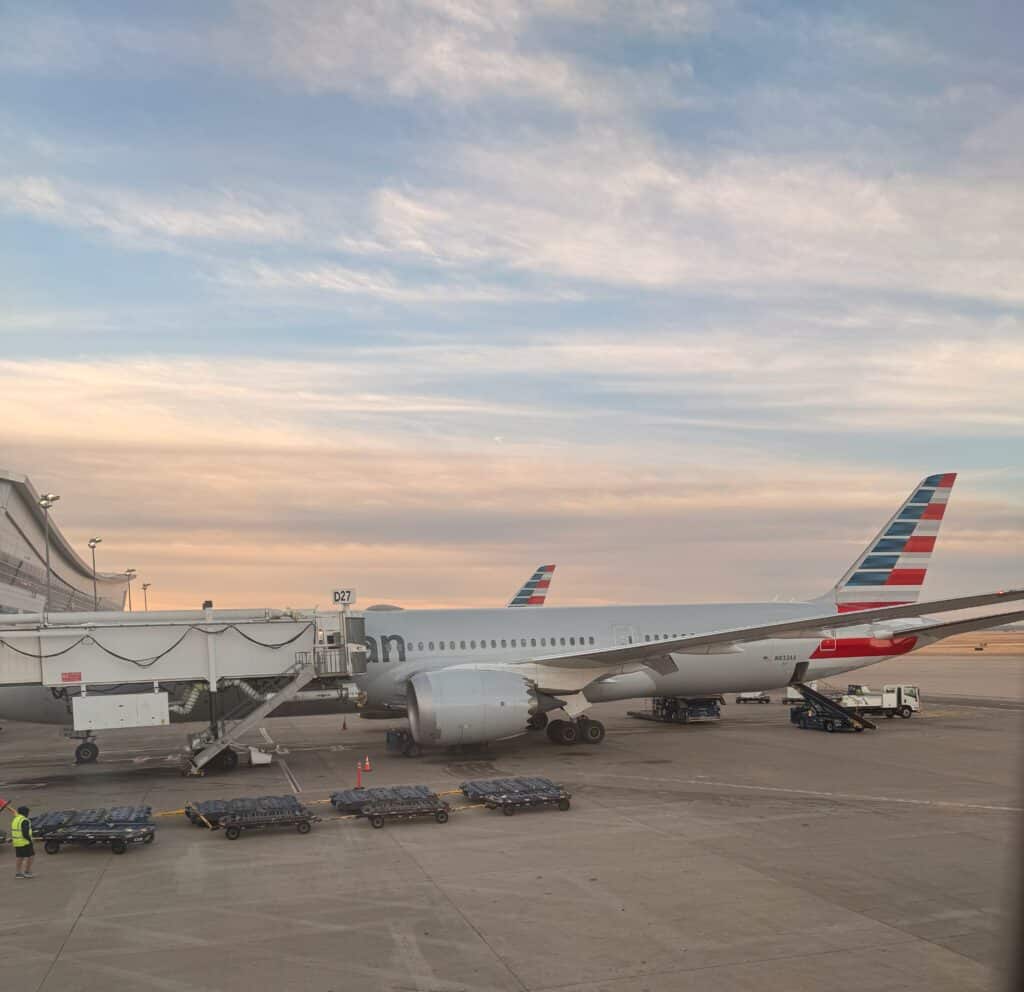
My daughter and her best friend were once flying on her dad’s miles and had a connection through DFW. I gave them two hours to relax in the Admirals Club with a drink before their next flight. Then the delays started – over and over, for four hours. Right as their flight got pushed back yet again, the club was getting ready to close for the night. The staff didn’t just shrug and send them out the door: they got the girls rebooked on an early morning flight the next day, and made sure they kept their first-class seats in the process. The club closed its doors right as the two of them walked out toward their hotel. That’s the kind of moment that tells you more about an airport than any amenity list does.
🍽️ Where I Actually Tried to Eat
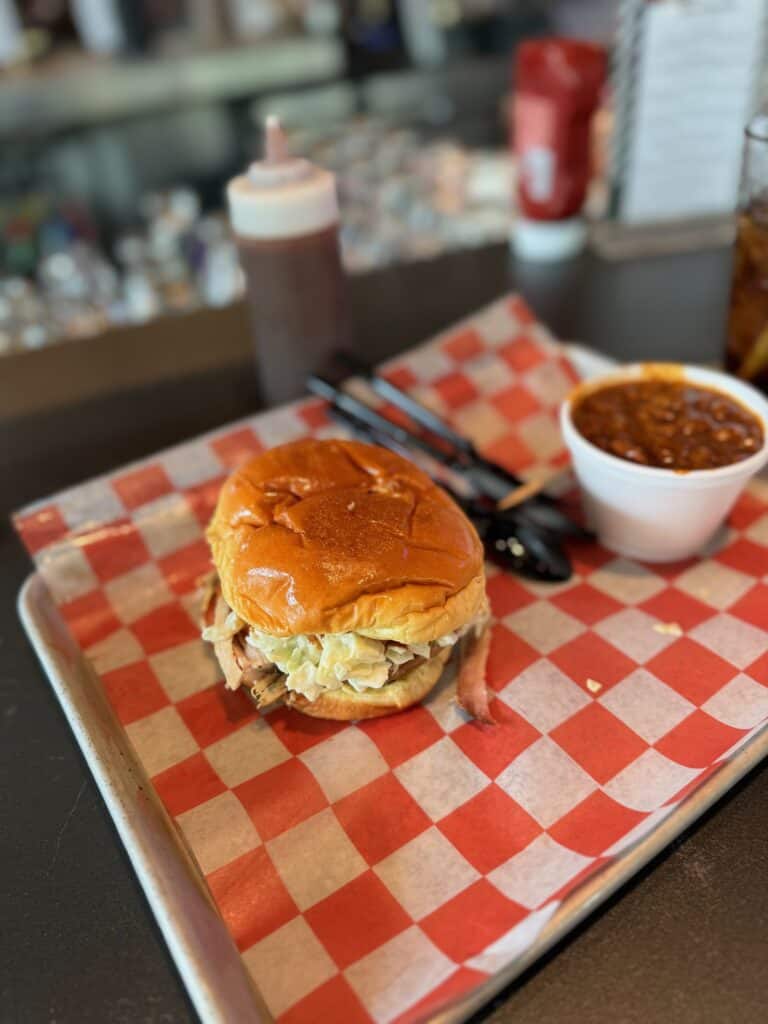
Almost anywhere in DFW, you’ll find shops and restaurants open most hours of the day – which is more than I can say for the American Airlines Clubs, which tend to close earlier than you’d expect, especially relevant if you’re dealing with delays like the story above. On the food side, regardless of which terminal I’m in, there’s always good barbecue somewhere nearby. Sure, it’s usually a chain outpost and not a pitmaster’s smokehouse, but it beats a sandwich out of a vending machine every time. And if you’re flying through with an older relative in mind, DFW is the only airport I’ve ever seen sell “Texas Size” jelly beans – my 85-year-old grandfather asked for them by name every time he knew I was flying through, diabetic-friendly or not.
✈️ Location, Location, Location — And Getting Around Once You’re There
DFW’s biggest advantage is geography. It sits in the middle of the Dallas-Fort Worth metroplex for locals, and in the middle of the country for everyone else – you can fly to nearly anywhere in the U.S. in three hours or less. That makes it one of the most efficient airports in the country to connect through, on paper. In practice, budget real time for getting between terminals (see above), and if you’ve got an early flight, know that there are two Hyatt-branded hotels built right into the airport itself – a Grand Hyatt and a Hyatt Regency. I honestly couldn’t tell you which one is nicer; what I can tell you is that both are always way too expensive. Still, they beat an Uber or a shuttle wait for a 5 a.m. departure.
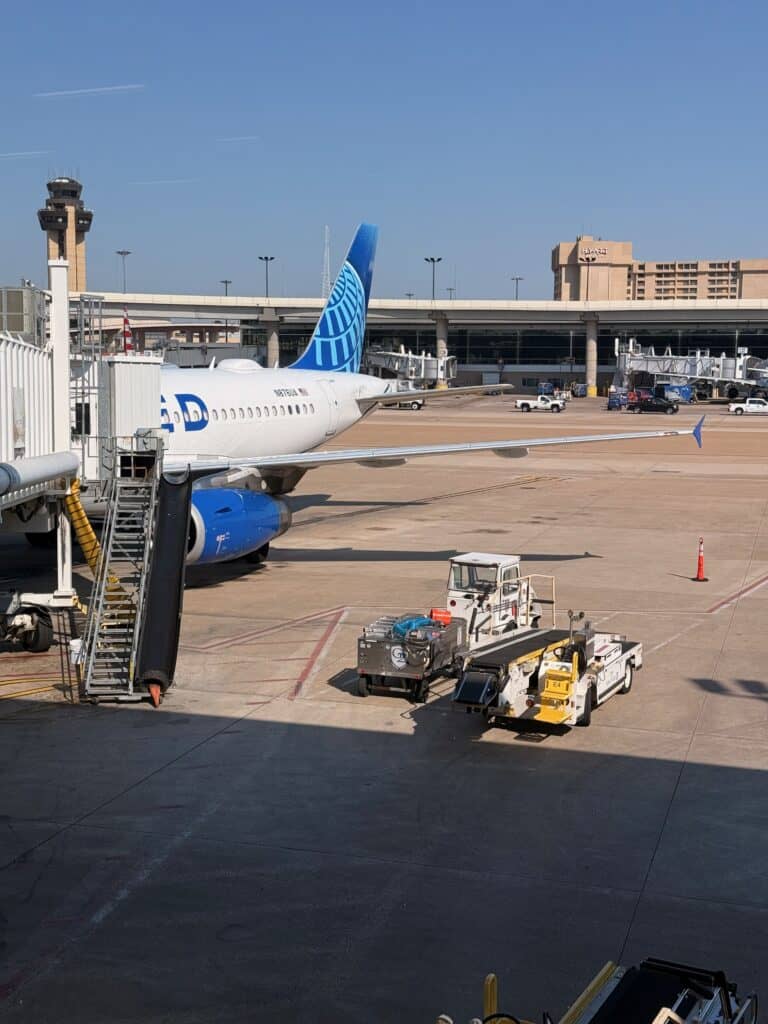
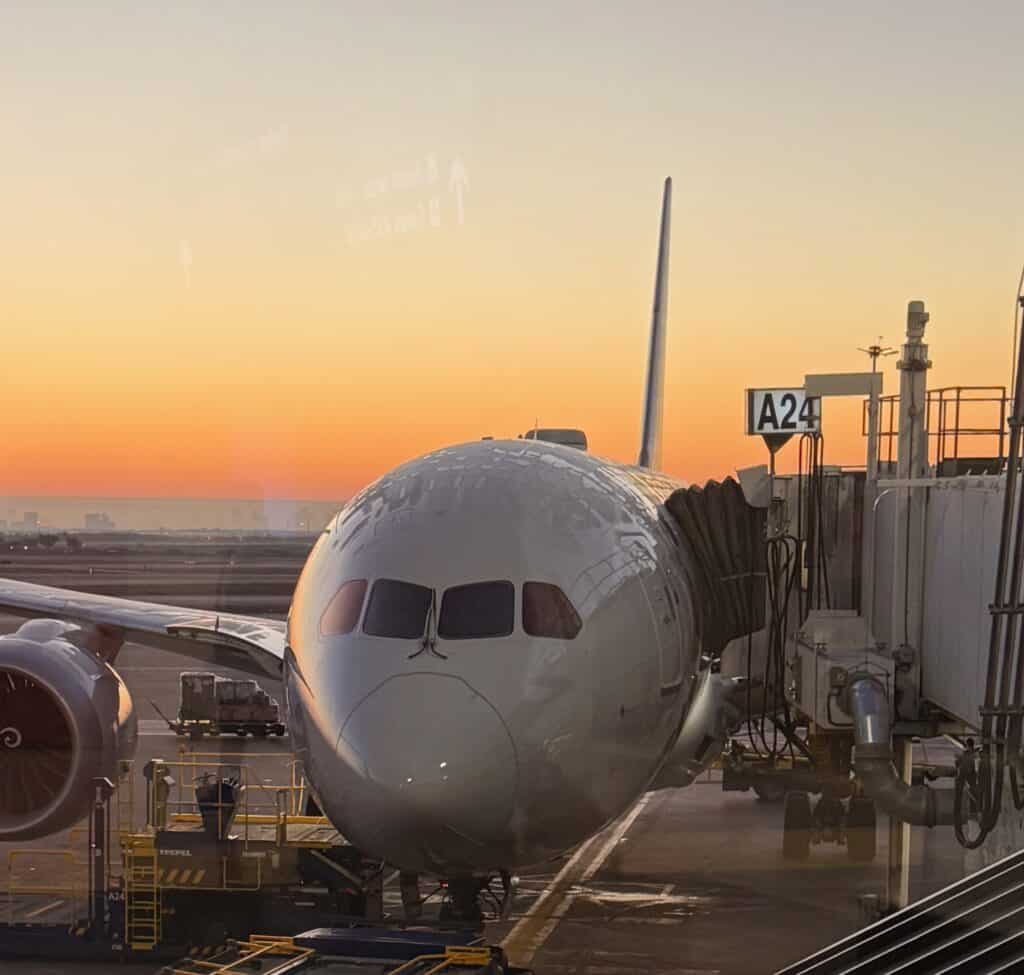
One more thing to plan around: summer thunderstorms. DFW sits squarely in Texas thunderstorm country, and a bad storm system can cause real havoc that takes hours to clean up across the whole operation. If you’re flying through in the summer, build in extra connection time – it’s one of the few airports I actively plan buffer time around because of weather alone.
If you need to get into Dallas or Fort Worth proper, here’s the baseline:
| Option | Time to City | Cost |
|---|---|---|
| DART Orange Line (from Terminal A, lower level) | ~50 min to downtown Dallas | $3 for a 3-hour pass, $6 for a day pass |
| TEXRail (from Terminal B, lower level) | Direct to downtown Fort Worth | $2 single ride, from $4 for a day pass |
| TRE (Trinity Railway Express) | Connects Fort Worth, DFW (CentrePort), and downtown Dallas – Mon-Sat only | $2.50 single ride |
| Rideshare/Taxi | Pickup on the upper level of every terminal | Varies by destination and traffic |
🛋️ Lounges — Worth Knowing If You Have Access
DFW is American Airlines’ biggest hub, so Admirals Clubs are everywhere – but a couple of the non-AA options stand out. The United Club is actually human-sized here instead of the shoebox you get at some airports, and the Centurion Lounge is one of the few Amex lounges I’ve used that doesn’t routinely have a waitlist. It gets crowded like any lounge, but the line keeps moving. Most areas of the airport, lounges included, have plenty of updated seating and outlets – a small thing, but it matters on a long layover.
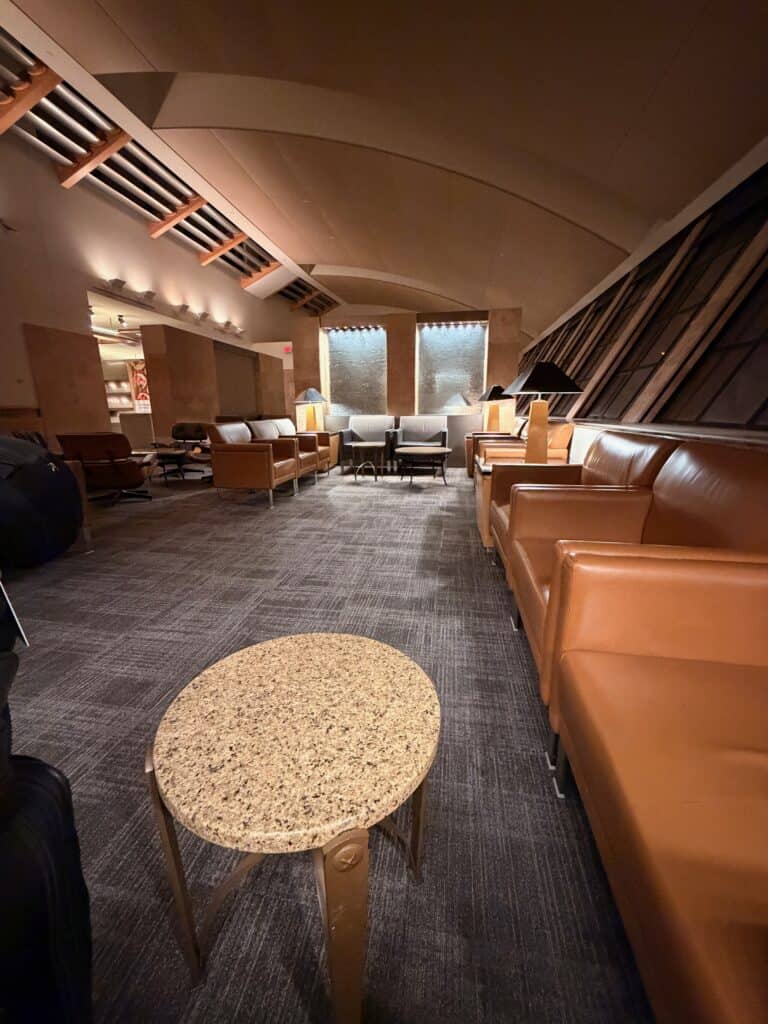
| Lounge | Terminal | Access |
|---|---|---|
| American Admirals Club | A, B, C, D, E (one in each terminal) | Admirals Club membership, eligible cards, or same-day premium-cabin ticket |
| Flagship Lounge / Flagship First Dining | D | American Airlines Flagship-eligible international or transcontinental ticket |
| American Express Centurion Lounge | D | American Express Centurion (Black) card |
| Capital One Lounge | D | Eligible Capital One card |
| Chase Sapphire Lounge by The Club | D | Chase Sapphire Reserve card |
| Delta Sky Club | E | Delta Sky Club membership or elite status |
| United Club | E | United Club membership or eligible status |
| International carrier lounges (Air France, British Airways, Emirates, Korean Air, Lufthansa, Qantas, and others) | D | Varies by airline, alliance status, or cabin |
🔌 Quick Reference (For When You Just Need the Facts)
| Need | Details |
|---|---|
| WiFi | “DFW Public 5G Wi-Fi” or “DFW Public 6E Wi-Fi,” free, just connect and accept the terms |
| Currency | USD; ATMs available throughout each terminal |
| Left Luggage | None – DFW has no left-luggage or storage service, official or third-party |
| Lost & Found | 972-973-4420 or file online; in person at Terminal E baggage claim near E4 (items lost at an AA gate or on the plane go through American directly) |
| Getting Around | All five terminals connect via the free Skylink train – reliable, but budget more time than you’d expect |
| Help | Look for the airport’s volunteer ambassadors – easy to spot around the terminals and always ready to point you in the right direction |
🌍 Final Thought
DFW is Texas in airport form – big, hot the moment you step outside for most of the year, and unmistakably itself. It’s also one of the easiest major airports I’ve navigated, with volunteers everywhere to help, plenty to eat and shop even when you’re stuck waiting out a delay, and a location that makes it one of the most efficient hubs in the country. Just don’t lean too hard on that train between terminals – upgraded or not, it’s still not fast. Overall, a great airport, and one I’d happily fly through again.
— PlanOgram ✈️
📌 Disclaimer: Information in this guide reflects general knowledge and firsthand experience at time of writing. Hours, prices, airline routes, terminal assignments, and security/passport procedures are subject to change. Always verify current details directly with the airport, airline, or transportation provider before travel.