
This post contains Amazon affiliate links. As an Amazon Associate, Plan0gram earns from qualifying purchases, at no extra cost to you.
Last Updated: September 27, 2026
Whether an airport lounge access pass makes sense comes down to two things: how often you fly, and which lounges your routes actually take you past. A good lounge turns a long layover into a quiet seat, a real meal, and a working outlet. A bad fit is an annual fee you never earn back.
Before getting into passes and memberships, there’s a distinction most lounge guides skip, and it’s the one that shapes how I travel.

Airline Lounges vs. Airport Lounges: Not the Same Thing
I rarely use independent airport lounges. I’ve used more than a dozen airline lounges over the years, and for the way I fly, they’re the ones that matter.
Airline lounges are run by the airline itself: American’s Admirals Club and Flagship Lounge, the United Club and Polaris lounges, the Delta Sky Club, and international carriers’ own lounges like the Iberia VIP lounge in Madrid. You get in through that airline’s club membership, your airline or alliance status on qualifying flights, certain premium-cabin tickets, or a co-branded credit card.
Independent airport lounges are open to passengers of any airline. Think Priority Pass network lounges, pay-per-visit clubs like The Club at DEN, and the credit-card lounges (Amex Centurion, Capital One, Chase Sapphire). You get in through a membership program, a credit card, or a day pass.
Why I lean airline:
- Location. An airline lounge is usually in the concourse your flight leaves from. An independent lounge can be a terminal away.
- Consistency. At DFW, one Admirals Club is more or less all of them; they’re consistent to the point of being interchangeable. You know what you’re walking into.
- The desk agents. When a flight goes sideways, the agents at an airline lounge’s front desk can often help with rebooking, without the line at the gate.
- Genuinely great moments. Some of my best airport memories happened in airline lounges, like sunrise through the roof of Madrid’s Terminal 4 from the Iberia VIP lounge, or the United Club at LAX Terminal 7 that saved a long, tunnel-heavy connection.
Independent lounges have their place. The Centurion Lounge at DFW is one of the few Amex lounges I’ve used that doesn’t routinely have a waitlist. But if you fly mostly one airline, its lounge network is usually where your money goes furthest.
Coming up: Lounges are changing fast right now. Crowding has gotten bad enough that the big US airlines have started adding rules to limit who gets in and how often, so check the current rules before you count on access. New and updated lounges are opening too, including at IAD and DCA. And at JFK Terminal 8, American opened three new lounges it shares with British Airways. I spent an entire day sampling all three, and I’m putting together an in-depth comparison of them against the traditional Admirals Club and United’s Polaris lounges. More on that soon.
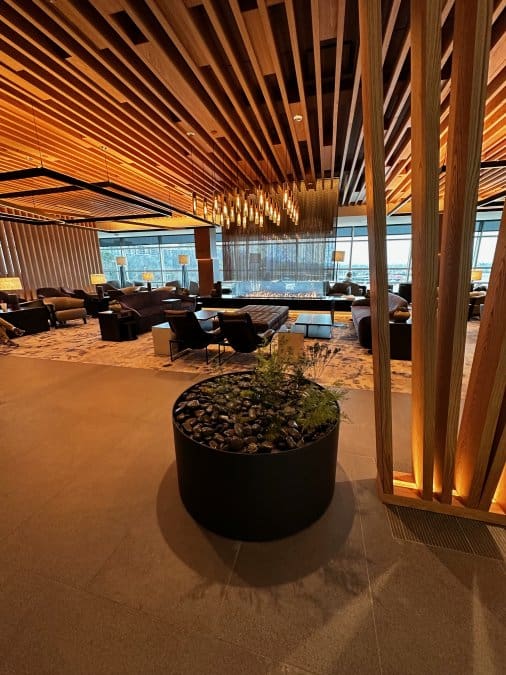
How to Get Airport Lounge Access
There are four main ways in, and they cover very different sets of lounges.
Airline or alliance elite status. Status can get you into partner lounges, but usually only when you’re flying internationally. In the alliances, that’s Star Alliance Gold (not Silver), oneworld Sapphire, and SkyTeam Elite Plus. On purely domestic US trips, status alone generally won’t open an airline club; you’ll need a membership, an eligible card, or a qualifying premium ticket.
Premium-cabin tickets. International business and first class, and some premium transcontinental routes, include lounge access, often to the airline’s better lounges like Polaris or Flagship. Domestic first class usually doesn’t.
Credit cards. Premium travel cards and airline co-branded cards include lounge access as a cardholder benefit, starting the day you’re approved. What they cover varies a lot: some get you into the airline’s own clubs, others into a card-branded lounge network or a Priority Pass-style membership. Read the fine print on guests and visit limits before you apply.
Day passes and memberships. Some airline clubs sell one-time passes, though not every airline does. Independent lounges and programs like Priority Pass sell single visits or annual memberships.
Stacking helps. If your status gets you in but your companion can’t, a card that includes guest access can cover the second person.
Credit Cards With Lounge Access: The Fastest Entry
For most travelers who aren’t already top-tier elites, a card is the quickest way in. The math is simple: if you’d pay for the card’s other perks anyway (statement credits, checked bags, priority boarding), lounge access becomes a bonus rather than an extra expense. That’s especially true for business travelers whose company covers the annual fee.
The main thing to match is which lounges the card opens. A card that gets you into the Admirals Club is worth a lot to an American flyer and very little to someone connecting through United hubs.
Understanding Airport Lounge Guest Policies
Guest rules vary by operator, membership, and how you got in:
- Many memberships and cards allow one or two guests, sometimes free, sometimes for a fee.
- Children often count as guests, with some exceptions for young kids.
- The member usually has to be there. Guests generally can’t use your access on their own.
- During peak travel periods, some lounges tighten guest access or turn people away at capacity.
Check the specific lounge’s rules before a trip, especially if you’re traveling with family.
Day Pass vs. Annual Membership: Which Fits Your Travel
Day passes make sense if you fly a few times a year, or only want a lounge for the occasional long layover. You pay only when the layover justifies it.
Annual memberships make sense if you regularly connect through the same hubs, and they often include guest passes that add value if you travel with someone.
A rule of thumb: count how many times last year you’d genuinely have used a lounge (layovers of about two hours or more, at airports where your membership actually has a lounge). If that number is small, day passes win. If it’s large, a membership or a card with lounge access wins.
How to Get the Most Out of a Lounge Layover
- Go early in your layover, not at the end. Seats fill up during the morning and evening banks, so arrive before the rush when you can.
- Use the desk. Ask about delays, gate changes, or rebooking; it’s one of the most underrated perks of an airline lounge.
- Plan around showers on long days. Many larger lounges have them, but availability and rules vary, so ask when you check in.
- Bring what the lounge can’t guarantee. Lounges get loud at peak times, and good seats near outlets go first. A good pair of noise-cancelling headphones and a compact travel power strip solve both.
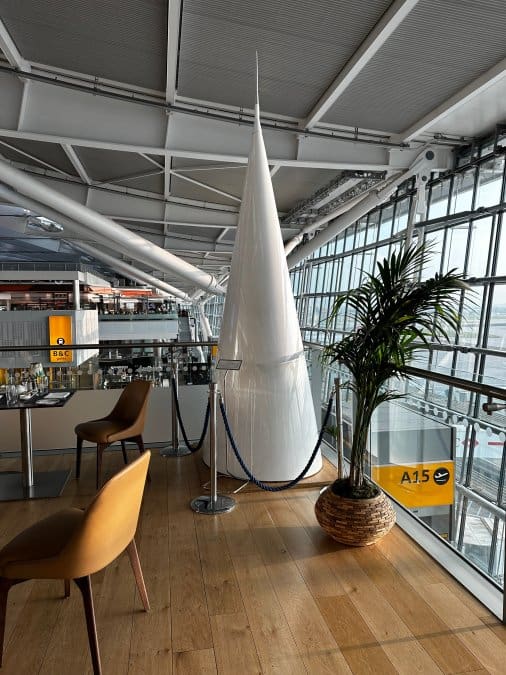
What to Expect Inside, and the Fine Print
Lounges vary widely, and the gap between the brochure and reality usually comes down to timing and restrictions:
- Time limits. A growing number of lounges limit stays, often to around three hours before a flight (Priority Pass lounge access FAQ).
- Tiered food and drinks. Basic beer, wine, and snacks are usually included; premium drinks and some menu items can cost extra.
- Network gaps. Your card or membership may not cover every lounge at your airport, or any lounge at your connecting airport. Check before you plan a layover around it.
- Crowding at peak times. Morning and evening departure banks and holiday weeks are when lounges fill up, and some operators limit entry when they hit capacity.
The Bottom Line
If you fly one airline often, put your money into that airline’s lounge access through status, a co-branded card, or a club membership. If you fly all over on different carriers, a card or program that opens independent lounges covers more ground. And if you fly only a few times a year, skip the membership and buy a day pass when a long layover calls for it.
Lounge access pays off in quiet corners, reliable outlets, and the occasional unforgettable view. A few of the shots in my gallery of window-seat and airport prints came from exactly that kind of seat.
For lounge details at specific airports, see my airport guides.